Problematic Discourse of Viewing Disabilities as "Inspirational"
Initial Thoughts on Disabilities:
From my earliest memories, I remember seeing images, posters, and videos of disabled people performing ordinary tasks such as checking out a library book or playing a sport with an inspirational quote attached. Like many others, I viewed this media as a form of inspiration and took the message at face value. We were taught to admire these individuals because we assume that our bodies may not need to work as hard or face the same day-to-day struggles as they do.
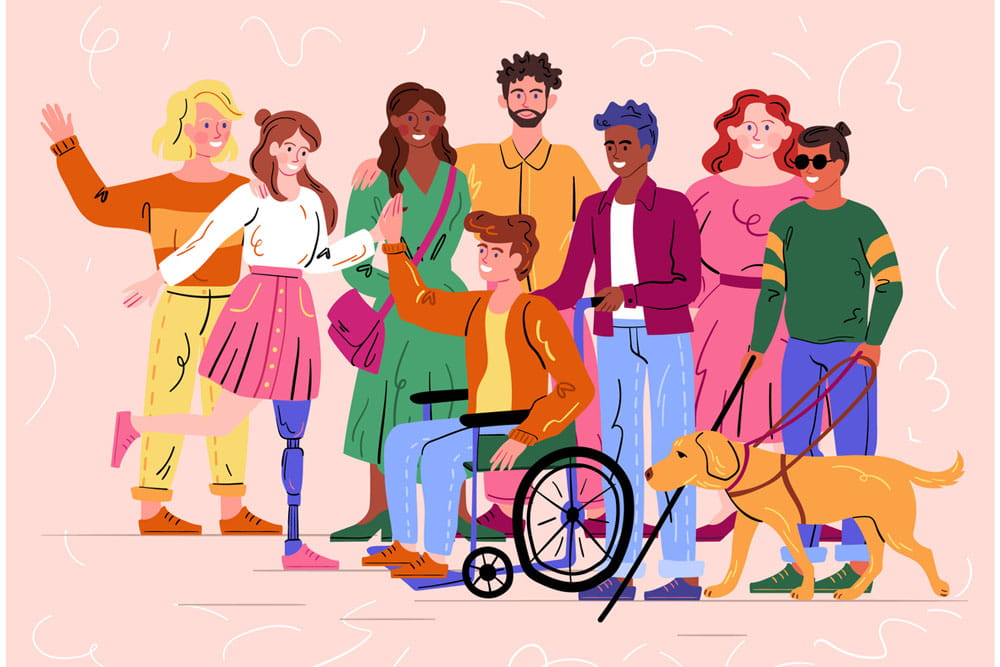 |
| Image by Rudzhan Nagiev, via istockphoto.com |
This week, I've realized that I have been deceived by this "inspirational" messaging strategy because it completely contradicts the goal it is trying to achieve. Instead of unifying us by setting aside our differences, placing such a large inspirational emphasis on disabled people for living their lives, only separates us further.
Personal Experience:
After reviewing this week's learning material, I've developed a deeper understanding of myself and others.
Last year, doctors discovered and started getting more solid answers as to why I have always struggled with fatigue, body aches, brain fog, and other "invisible" issues. Although not officially listed as a disability, I live with an autoimmune disorder called Hashimoto thyroiditis. Some days, it does feel as if I cannot function at full capacity like my peers when flare-ups occur. However, I would never want to be placed on a higher pedestal than them, simply because of the lifestyle adjustments I need to make to live more comfortably.
This viewpoint opens my mind to why disabled individuals of various lifestyles view the oversaturation of forced inspiration as problematic.
Reflection on New Understanding:
Listening to Stella Young's TED talk, "I'm Not Your Inspiration." demonstrates various reasons why disabled people may not enjoy continuous praise for completing ordinary tasks. She shares the common theme of "objectifying" disabled people and how it exists to make others feel better about their own struggles. In reality, everyone goes through struggles in life and I have learned that it is better to have the bar of expectations set more equally.
Additional resources such as, "#WeThe15" and the article by Jessica Kellgren-Fozard, "Why not all disabled people want to be seen as ‘an inspiration’" share similar viewpoints. At the end of the day, we all want to live our own lives just like any other. I can imagine how taxing the never-ending praise can feel for those with disabilities. They don't want to be viewed differently and categorized, even with the right intentions. Everyone deserves praise when appropriate and I've learned that this stigma of holding those in such high regard because of disability alone, makes us less connected as people.




No comments:
Post a Comment