The Models of Disability
The Differences in Models of Disability:
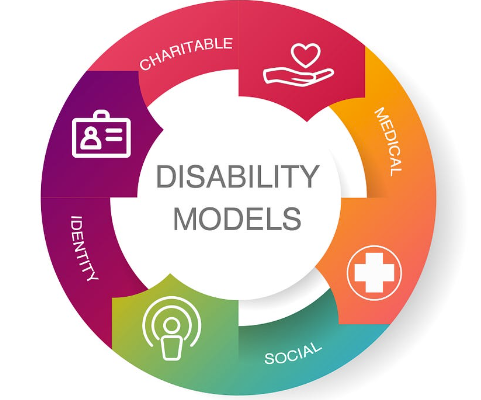
The term "disability" is widely recognized as broad, meaning one definition may better align with one person over the next. There is no-one-size-fits-all definition of disability, which is why we have developed models to better describe and apply its meaning. The primary models of disability commonly utilized are the medical, social, and biopsychosocial models.
 |
| Image by Gulen Yilmaz, Perficient.com |
Social Model of Disability:
As a direct contrast of the medical model of disability, the social model, "suggests that impairment be considered a form of diversity, like gender, sexual orientation, race, or ethnicity, that offers a unique perspective that should be valued and celebrated" (Goodley, 2016). Instead of blaming disability on the individual, it suggests society is the root cause of harming the individual. This model also has its downsides as it does not address the medical impacts of disability that are neither society's nor individuals' fault.
Biopsychosocial Model of Disability:
Each model of disability contains information that might better suit one party over another. By gathering the most beneficial elements of the medical and social model, we can refer to the biosocial model which combines the best of both sides. In a clinical setting, this model can serve providers for diagnosis and treatment, rather than direct blame of the person. From a societal standpoint, it is recognized that society may not always appropriately accommodate individuals with disabilities, but it is also not to blame. The biosocial model provides a broader approach to disability, teaching individuals to be more open about the unique complexities that differ from person to person.
Moving Forward:
Out of all the models described, the biopsychosocial model of disability serves as an effective foundation to educate others on understanding disability. It erases the stigma of viewing disability as a "defect" that needs to be "fixed" for living a better life. Evening out the playing field of society should always be an option for those with disabilities. However, lifestyle changes enforced to make the individual blend in with the rest of society are problematic and damaging.
Society thrives on individuality and differences, which Aimee Mullins best describes in her TED Talk. Aimee further explains the meaning of educating, "to bring forth what is within, to bring out potential." Disabilities should be seen in a similar light, where we could celebrate our differences meaningfully. Through education, society can allow our differences to shine, enhancing everyone's true potential to make an impact.




No comments:
Post a Comment