Classification in Para Sports
What is Classification?
Classification describes the process of grouping people or things together based on their similarities. Although it may seem like a simple process in theory, it often requires highly skilled professionals to ensure classification is done ethically, responsibly, and legitimately. More specifically, in Para sports, classification is an essential step during the initial onboarding process of new Para athletes.
According to Tweedy, S. (2014), "Classification has 4 stages: (1) establish whether the athlete has a health condition that will lead to one or more of the 8 eligible types of physical impairment, (2) determine whether the athlete has an eligible impairment type, (3) determine whether the impairment is severe enough, and (4) determine in what class the athlete should compete."
Should all Para-Athletes Undergo Classification?
Before determining whether or not every athlete should be required for classification in every sport, we must understand its purpose. Because there is a high diversity of disabilities that affect everyone differently, classification is necessary to ensure an even playing field in competitive sports. The International Paralympic Committee (IPC) determines eligibility based on ten categories of impairments consisting of eight physical, one vision, and one intellectual impairment.
A video shared by Paralympics New Zealand further explains, "The classification process differs from sport to sport because classification is designed to be specific to the different movements in each sport." Because every disability and athlete differs, classifiers must assess their athletic strengths and weaknesses to ensure fair competition for all. Therefore, all disabilities and athletes should be properly classified before competing in sports.
How is Fair Competition Promised and Maintained?
The specialized professionals behind classification, responsible for assessing all disabilities to create an even playing field are called classifiers. The Paralympics New Zealand on classification explains that "Classifiers have the welfare safety and fairness of Para athletes at front of mind during classification so that competition can be fair for all."
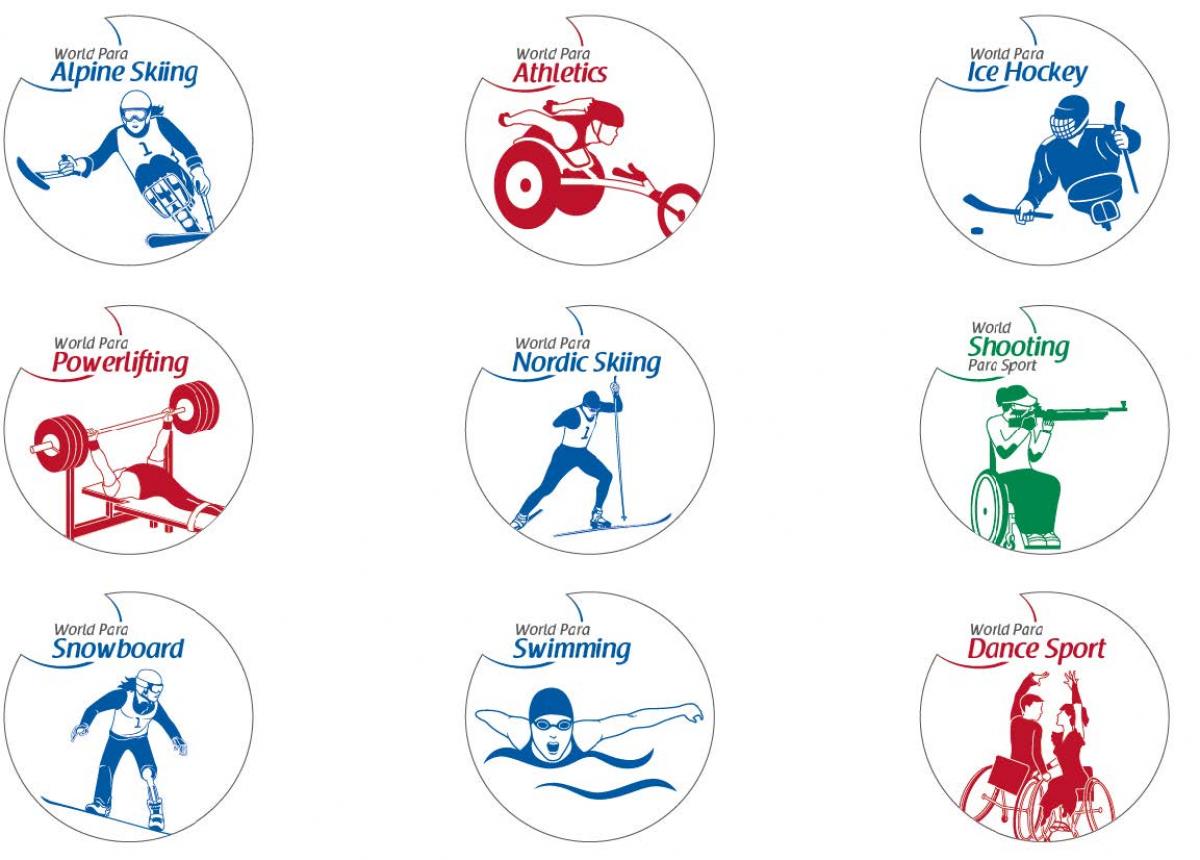 |
| Image By IPC, paralympic.org |
We could also refer to weight classes in wrestling as another form of classification. If one wrestler had more muscle mass than another, the lower-mass wrestler would be clearly disadvantageous.
Should Paralympic Sports be Inclusive?
Inclusivity is a pillar of the Paralympics, allowing a diverse range of athletes to compete in sports best suited for them. However, there is a very good reason why classifiers must deem some athletes "ineligible" to compete. Determining whether or not an athlete is eligible is a delicate and complicated process. During the initial classification, a classifier may determine that an impairment is not severe enough, which could put the athlete at an unfair advantage.
All Para athletes must also go through the reclassification process at some point in their career to ensure consistent fairness. The IPC explains, "Further evaluations may be required for a number of reasons, for example, Athletes with progressive or fluctuating Underlying Health Conditions. Or, if an International Federation makes changes to their sport’s Classification rules."
An interview with Para athlete Andre Brasil who competes in the S10 classification describes an emotional case of being ineligible. During this process, he scored a single point above the classification scale, deeming him ineligible. Andre shares, "How could the system treat someone like a liar, I gave my best and put my heart to living a life as a swimmer. I don't know if it's fair or not but I know that the system doesn't work for the sport."
From a personal perspective, I believe that reclassification should offer flexibility in a case-by-case scenario rather than following a rigid numeric scale. Especially in Andre Brasil's case, who scored just one point above the S10 classification.




No comments:
Post a Comment