Blog #10: A Reflection of What I Learned
Prior vs. Current Knowledge:
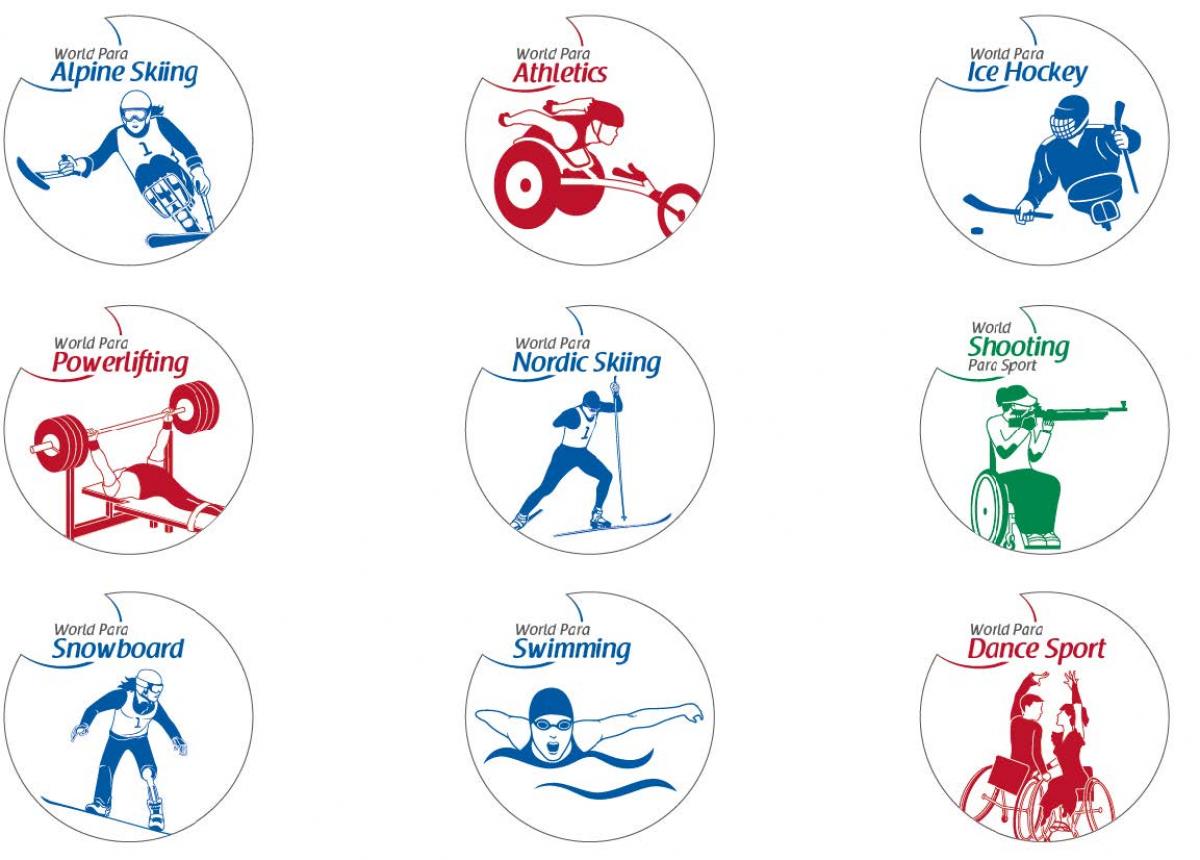
![]() |
| Image by Paralympics Australia, Paralympic.org |
![]() |
| Image by Paralympics Australia, Paralympic.org |
The Special Olympics has a long history, dating back to the early 1950s when Eunice Kennedy Shriver began exploring ways to represent intellectual disabilities in a better light. During this time, people with disabilities were treated poorly which the Joseph P. Kennedy Jr. Foundation sought to change. Shriver Camp was established in June 1962, which sparked the humble beginnings of the Special Olympics.
Three months before the opening of Shriver Camp, Eunice Kennedy Shriver put out a statement, “The years of indifference and neglect, the years of callous cynicism and entrenched prejudice, are drawing to a close. The years of research and experiment ... are upon us now with all their promise and challenge."
On July 20, 1968, the very first Special Olympics were held in Chicago, Illinois after the massive success of Shriver Camp. This article shares insight into the sports offered, "over 200 challenging events including swimming, floor hockey and track and field."
From the 1990s to the present, inclusion has been a main focal point of the Special Olympics when the world saw massive improvements for a brighter future. Individuals with intellectual disabilities were often disregarded in many facets of life and discluded from professional roles. However, this all changed when the Paralympics decided to include intellectually disabled athletes in their sports for the first time.
This article shares additional context, "Athletes with intellectual impairments were only accepted into the Paralympics comparatively late, beginning with the 1996 Atlanta Games."
Athletes with intellectual disabilities were reaching greater heights than ever before, fulfilling their ultimate dreams to become Para athletes.
Only a few years after intellectually disabled athletes were officially allowed to compete in the Paralympics, a scandal took place during the 2000s Sydney Paralympics. During this scandal, the classifiers failed to identify individuals falsifying their intellectual impairments, temporarily ending the inclusion-supporting decision in the following years.
Although new classifying systems were established that allowed intellectually disabled athletes back into the Paralympics, they faced many restrictions.
Individuals with intellectual disabilities faced many hardships throughout history. The Special Olympics has brought inclusion in competitive sports, providing these individuals with a supportive outlet. If athletes with intellectual disabilities trained for the Paralympics and wanted to become a part of it, they should have that opportunity open. The Special Olympics should still exist as its own entity, but athletes with intellectual disabilities should have multiple options to choose from.
The International Paralympic Committee vows to remain politically neutral as stated within the IPC constitution. Following the events of the Russian invasion of Ukraine, the IPC decided to suspend Russia and Belarus from participating in the Paralympics. However, Para athletes from these countries were permitted to participate under a neutral flag without a team. This decision was made so the athletes could still compete in the Paralympic games to align with IPC values such as inclusivity, equality, and political neutrality.
An IPC article shared an official statement made by the IPC president, Andrew Parsons, who described the situation perfectly.
Parsons emphasized, “It is vital we show to world leaders through our sport that we can unite as human beings and that our true power is found when promoting peace, understanding, and inclusion. This is at the core of what the Paralympic Movement does and what it stands for. We should not lose sight of this now, no matter what the circumstances.”
Currently, Russian and Belarus NPCs will have the opportunity to appeal their suspensions this year if International Paralympic Committee members vote in their favor. The updated IPC constitution provided in this article shares additional key details.
Some obligations of the IPC constitution include, "be neutral and impartial in matters of politics, the spirit of fair play prevails, the safety and health of the athletes are protected, and fundamental ethical principles are upheld."
By staying true to the IPC constitution, the Russian and Belarus NPCs should be allowed to appeal and compete in the Paralympic Games.
During times of war in affected countries, the safety and well-being of athletes should be upheld over anything. Just as the National Paralympic Committees have the chance to appeal bans, their countries should have the opportunity to hold sports events when peace is made. However, as war is ongoing, events should not be held per the IPC constitution.
An NBC Sports article shares an additional statement by the IPC president, “I want us to live in a world where sport unites the world in peaceful competition, enabling athletes to compete against their rivals to the best of their abilities in a safe and secure environment."
OlympicTalk. (2022, November 17). IPC bans Russia, Belarus paralympic committees. NBC Sports. https://www.nbcsports.com/olympics/news/russia-paralympic-committee-banned-ipc
International Paralympic Committee. (2022, March 2). IPC makes decisions regarding RPC and NPC Belarus. https://www.paralympic.org/press-release/ipc-makes-decisions-regarding-rpc-and-npc-belarus?fbclid=IwAR3zAi5KVUQl0OlWlEkQAczwnTfDUGGpTWr90MeZBaq3wjc1c4RfbXtkjSo
International Paralympic Committee. (2023, September 29). IPC General Assembly partially suspends NPC Russia and NPC Belarus. https://www.paralympic.org/news/ipc-general-assembly-partially-suspends-npc-russia-and-npc-belarus
Classification describes the process of grouping people or things together based on their similarities. Although it may seem like a simple process in theory, it often requires highly skilled professionals to ensure classification is done ethically, responsibly, and legitimately. More specifically, in Para sports, classification is an essential step during the initial onboarding process of new Para athletes.
According to Tweedy, S. (2014), "Classification has 4 stages: (1) establish whether the athlete has a health condition that will lead to one or more of the 8 eligible types of physical impairment, (2) determine whether the athlete has an eligible impairment type, (3) determine whether the impairment is severe enough, and (4) determine in what class the athlete should compete."
Before determining whether or not every athlete should be required for classification in every sport, we must understand its purpose. Because there is a high diversity of disabilities that affect everyone differently, classification is necessary to ensure an even playing field in competitive sports. The International Paralympic Committee (IPC) determines eligibility based on ten categories of impairments consisting of eight physical, one vision, and one intellectual impairment.
A video shared by Paralympics New Zealand further explains, "The classification process differs from sport to sport because classification is designed to be specific to the different movements in each sport." Because every disability and athlete differs, classifiers must assess their athletic strengths and weaknesses to ensure fair competition for all. Therefore, all disabilities and athletes should be properly classified before competing in sports.
The specialized professionals behind classification, responsible for assessing all disabilities to create an even playing field are called classifiers. The Paralympics New Zealand on classification explains that "Classifiers have the welfare safety and fairness of Para athletes at front of mind during classification so that competition can be fair for all."
![]() |
| Image By IPC, paralympic.org |
We could also refer to weight classes in wrestling as another form of classification. If one wrestler had more muscle mass than another, the lower-mass wrestler would be clearly disadvantageous.
Inclusivity is a pillar of the Paralympics, allowing a diverse range of athletes to compete in sports best suited for them. However, there is a very good reason why classifiers must deem some athletes "ineligible" to compete. Determining whether or not an athlete is eligible is a delicate and complicated process. During the initial classification, a classifier may determine that an impairment is not severe enough, which could put the athlete at an unfair advantage.
All Para athletes must also go through the reclassification process at some point in their career to ensure consistent fairness. The IPC explains, "Further evaluations may be required for a number of reasons, for example, Athletes with progressive or fluctuating Underlying Health Conditions. Or, if an International Federation makes changes to their sport’s Classification rules."
An interview with Para athlete Andre Brasil who competes in the S10 classification describes an emotional case of being ineligible. During this process, he scored a single point above the classification scale, deeming him ineligible. Andre shares, "How could the system treat someone like a liar, I gave my best and put my heart to living a life as a swimmer. I don't know if it's fair or not but I know that the system doesn't work for the sport."
From a personal perspective, I believe that reclassification should offer flexibility in a case-by-case scenario rather than following a rigid numeric scale. Especially in Andre Brasil's case, who scored just one point above the S10 classification.
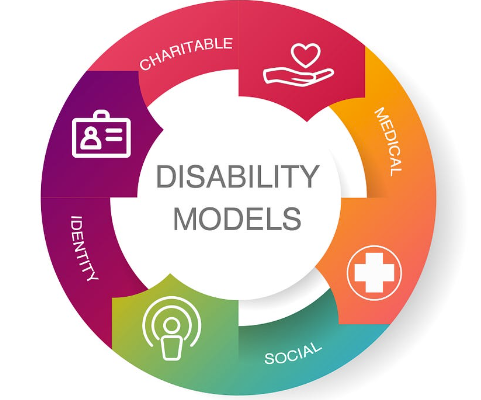
The term "disability" is widely recognized as broad, meaning one definition may better align with one person over the next. There is no-one-size-fits-all definition of disability, which is why we have developed models to better describe and apply its meaning. The primary models of disability commonly utilized are the medical, social, and biopsychosocial models.
![]() |
| Image by Gulen Yilmaz, Perficient.com |
As a direct contrast of the medical model of disability, the social model, "suggests that impairment be considered a form of diversity, like gender, sexual orientation, race, or ethnicity, that offers a unique perspective that should be valued and celebrated" (Goodley, 2016). Instead of blaming disability on the individual, it suggests society is the root cause of harming the individual. This model also has its downsides as it does not address the medical impacts of disability that are neither society's nor individuals' fault.
Each model of disability contains information that might better suit one party over another. By gathering the most beneficial elements of the medical and social model, we can refer to the biosocial model which combines the best of both sides. In a clinical setting, this model can serve providers for diagnosis and treatment, rather than direct blame of the person. From a societal standpoint, it is recognized that society may not always appropriately accommodate individuals with disabilities, but it is also not to blame. The biosocial model provides a broader approach to disability, teaching individuals to be more open about the unique complexities that differ from person to person.
Out of all the models described, the biopsychosocial model of disability serves as an effective foundation to educate others on understanding disability. It erases the stigma of viewing disability as a "defect" that needs to be "fixed" for living a better life. Evening out the playing field of society should always be an option for those with disabilities. However, lifestyle changes enforced to make the individual blend in with the rest of society are problematic and damaging.
Society thrives on individuality and differences, which Aimee Mullins best describes in her TED Talk. Aimee further explains the meaning of educating, "to bring forth what is within, to bring out potential." Disabilities should be seen in a similar light, where we could celebrate our differences meaningfully. Through education, society can allow our differences to shine, enhancing everyone's true potential to make an impact.
Determining whether athletes should be allowed to compete in sports with adaptive technology has many underlying complexities and controversies. There are gray areas to assess and studies to reflect upon when addressing levels of advantages these technologies provide. Differences in what technology is designed to do in the Paralympics and the Olympics are additional factors to address.
![]() |
| Image by Miriam Bribiesca, people.com |
In the Olympics, we saw full body swimsuits fitted with polyurethane, which gave the swimmers an unfair advantage. The issue arises when adaptive technology is used as cheating tools to gain a competitive edge over other athletes. The Royal Institution shares a video featuring Professor Steve Haake. He discusses the issue of women’s swimsuits that arose, where polyurethane swimsuits allowed swimmers to swim more effectively. This use of adaptive technology was ultimately banned because it highlighted important differences. Improving performance through training is acceptable versus using technology to gain a competitive edge.
Another viewpoint to consider is the accessibility of adaptive technology for disadvantaged nations. The latest and greatest renditions of adaptive technology come at a high cost, whether from limited suppliers, expensive materials, or shipping costs. A video by BBC demonstrates the manufacturing process and specialized tech involved in creating running blades. They are also uniquely fitted for every athlete's body, meaning no one size fits all for this specialized equipment.
Another video shared by the Olympics explores the advanced technological capabilities of the racing wheelchair. This provides further evidence of the close relationship between technology and success. For example, if nation 1 had access to these latest racing wheelchairs competing against nation 2 using older technology, it would set nation 2 at a disadvantage. These factors are important to assess when ensuring equal opportunity for success for competing nations.
As engineers develop and improve upon previous renditions of adaptive technology, athletic performance statistics also improve. The Paralympics is widely praised and recognized for providing an even playing field amongst Para athletes. Identifying the different uses of adaptive technology utilized in the Paralympics drives a strong indication of fairness. Adaptive technology such as running blades, which provide no competitive edge over other runners, should be allowed in able-bodied sports. This has been backed by scientific evidence through various simulations and studies. In contrast, using adaptive technology to give able-bodied athletes an unfair advantage over others should always be prohibited.
Throughout the history of American media, the portrayal of people with disabilities has often fallen into the three categories of villains, supercrips, or helpless. The issue that came alongside this is the damaging effects it has on society's views of disabled people, whether they are physically or mentally impaired per ADA definition. This has resulted in a form of marginalization, where disabled people in media such as shows or movies are rarely ever portrayed as people with realistic multi-dimensional defining identities. Although improvements have been made, thanks to organizations like GLAAD, there is still work to be done from a broader effort before we see more noticeable changes.
![]() |
| Image by Hirohiko Araki, cnn.com |
Media coverage of the Paralympics and other disabled sports is often not nearly as covered as other sports and the Olympics. I learned that this limited coverage of the Paralympics in U.S. mainstream media has been non-existent until 2021. During that year, NBC covered the Paralympians who competed in the Tokyo 2020 Paralympics.
In this article, Joe Reedy shares, "NBC’s Olympics coverage has long been built on a foundation of human-interest stories and showcasing athletes’ road to the Games. The same philosophies will apply to the coverage of Paralympics, which will air on the network for the first time." However, despite the year's delay to ensure quality, authenticity, and proper representation, NBC's coverage of the 2020 Paralympians was still limited.
With the ever-expanding scope of media, reaching broad mainstream audiences has become easier due to how interconnected we are through social media platforms. Rather than focusing solely on increasing Paralympic coverage in the U.S. television media, streamlining coverage for social media could be the next step forward.
Referring to the Tokyo 2020 Paralympics, coverage on social media has been compared to reaching equivalent statistics as other non-Paralympic sports. Social media platforms like TikTok are accessible to a broader range of users, increasing Paralympic viewing metrics and awareness. Social media also provides the freedom to share a higher volume of proper representation of the Paralympians, potentially helping the U.S. shift away from common stereotypes.
Aside from limited coverage, the content usually features Parathletes in problematic categories to fit into predetermined stereotypes. We often see the common portrayal of Parathletes overcoming their disabilities, referred to as the "supercrip stereotype." Further explained in this article written by Erin Pearson, and Laura Misener, "Paralympians were heralded as “superheroes” because they were able to “overcome” their disabilities to participate in the Paralympic Games. The media often used the word “participate” and not “compete” when describing Paralympians." The other two stereotypes in media people with disabilities are often categorized into are "villains" and " being helpless."
To move past these stereotypical placements in all forms of media, we can refer to the Ford Foundation paper, Road Map for Inclusion for guidance. Within this paper, they provide a "what-if" assessment, showing what people with disabilities could do in all facets of media in the ideal world of inclusion. For example, "Disabled people comprise around 25 percent of the characters in media, representative of the one in four Americans who have a disability. Their roles take all forms, from a romantic lead to a dodgy drug dealer to a barista."
This is only one of the many ways we could normalize the representation of actors with disabilities in media. Their talents in acting would be placed first and foremost. Similar to how Paralympians should be celebrated for their perfected athletic abilities rather than "overcoming" their disabilities. The artwork created by Hirohiko Araki provides a perfect representation of this idea. This work emphasizes the Paralympian's incredible physique achieved through devoted training rather than focusing on their disabilities alone.
Blog #10: A Reflection of What I Learned Prior vs. Current Knowledge: As a student majoring in Computer Information Systems, most of my cla...